
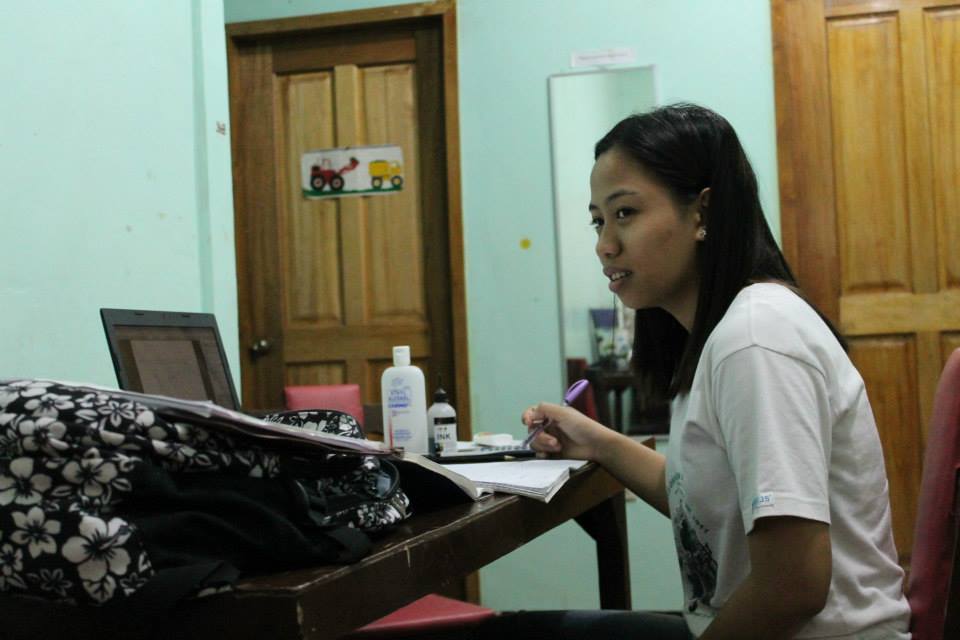
Thesis time is one of the most stressful times in university. Students are downing unhealthy amounts of coffee and energy drinks every day to stay awake for those all-nighters. They are at their wit’s end about how they’re going to finish their papers on time while still studying for exams. The diploma is almost within reach, but before you get that coveted piece of paper, you have to write a few hundred pages first.
And because these are hard times, here are some tips for you.
Before Starting
1. Choose the right people.
When you’re allowed or required to work in groups, it is best to assess the people you’ll be working with. Pick those who can be really valuable to the project and those who have the means to follow through with the process. I’m not saying that you choose your teammates based on their financial capabilities, but practicality is important.
I suggest you pick people you are not too close with. This is because your paper has a deadline and when you have your best friends on your team, those all-nighters might end up being a gossip session. Another reason for this is when emotions run high, your familiarity will not be advantageous because feelings take over logic. When you’re with people you’re not too familiar with, you’ll keep a business-like atmosphere, which is what you should be aiming for. I have witnessed friendships broken beyond repair because of this, so be careful.
2. Choose an interesting topic.
With the exception of those whose topics are chosen for them in advance, picking one that is genuinely interesting to you will make the project more tolerable. It will be easier to study and research a subject matter that you find important and you’re really curious about. It’s already a difficult task. Don’t make it more difficult by choosing to study a topic you don’t care about.
3. Plan.
It always pays to plan. Plan where you can get your resources. Universities usually have a paid platform for finding scientific journals. If you’re working in a group, assign specific chapters to each member. Plan how you will finance the project if it is not funded by the school or shouldered by an organization that makes use of the study. It is also good to find a good suit for the final defense because you know it’s coming. It won’t be a good feeling when you’re texting your friends if they can let you borrow their outfits just two nights before the big event. Making the final touches as well as preparing for the defense is stressful. If you don’t prepare your clothes in advance, you might end up looking sloppy and unprofessional. Power dressing adds to your confidence, and the panel will have the impression that you’re prepared and ready to do business when you’re dressed for the part.
4. Study in advance.
The most likely scenario is you’ll be expected to finish your thesis in the midst of finals. Having a buttload of exams is not an excuse for not finishing your thesis on time. Make use of the syllabus and read your lessons in advance so you won’t end up like a zombie during exam time and for you to actually pass. This will also keep stress levels
During the Writing
1. Consult your advisers regularly.
I have a friend who wasn’t able to finish his thesis because when he showed it to the adviser, the latter said it was far from what he instructed them to do. To avoid this, always meet with your adviser so you’ll understand what’s expected of you. Remember that if your adviser does not approve your work, you won’t even be allowed to defend it in front of the panel.
2. Buy or rent a printer.
Here’s what most students don’t think of when they’re about to finish their thesis: all the other graduating students in the university are doing the same. The defense day for other courses is scheduled close to yours or maybe even on the same day. The copying stations will be full of students lining up to have their papers printed. And each of them has hundreds of papers to print. And you know they’re not going to want just one copy. To avoid this hassle, either finish your thesis way ahead of time or get a printer. You can chip in with your groupmates or other students who are also doing their thesis. Believe me, you will wish you had a printer when you’re lining up at the printing station as you’re waiting for that biology student to finish five copies of his 200-page dissertation.
3. Make every chapter a separate document.
One of the biggest frustrations in writing a thesis, especially one with lots of tables and graphs, is that you have to keep on moving things around as you edit. To make this a little more bearable, separate the chapters from each other.
4. Decide how to name the files.
You’re editing your file and you’re putting the final touches when you realize you’re using the wrong version. You named the file chapter2final.doc when you should have used chapter2finalfinal. This kind of system for naming will only cause frustration and will waste your time. Decide on the naming system so you don’t have to wonder whether you should edit final.doc or thisisit.doc or even thisisreallythefinalone.doc. The general rule is you don’t name your file final when it’s not.
During the Defense
1. Prepare an extra copy of your paper.
The panel may be announced in advance, but you will never know who’s gonna turn up at the last minute. I’ve had this experience during our defense. An unexpected panel member showed up, and everyone had to print extra copies.
2. Be confident.
You know this. You’ve been daydreaming about this paper every day for the last five months. The panel members have just received your paper and would most likely be asking easy questions. However, if you forgot something or left something out, don’t panic. If you show the audience that you’re nervous, they will immediately conclude that you are underprepared. If you feign confidence, however, they’re likely to assume that you know the answer but forgot the exact numbers or names. If you are really struggling to find the answer, promise the panel members that you’re going to get back to them after the presentation.
The thesis is a necessary part of graduation, the final obstacle toward your goal. It is difficult and trying, but when it’s finally over, you’ll be glad for all the lessons you’ve learned. It is a test not only of your intellectual abilities but also of your resilience and ability to deal with trials. I hope you come out of it stronger and wiser. Good luck!
 It's a Ping Thing