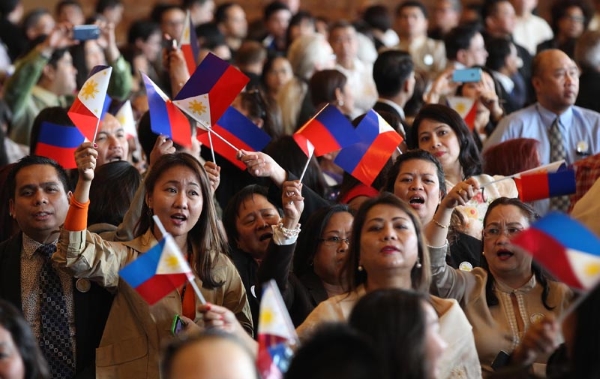
Filipinos have unique traits that are admired by other nationalities. But while our strong sense of resilience and optimism are laudable, there are other traits that don’t fly when it comes to attaining success and developing as a country.
In his literary masterpiece History of the Filipino People, Teodoro Agoncillo describes some of these traits and offers a lot of insight into how Filipinos deal with social situations and challenges. Although seemingly pleasing at first glance, they can sometimes act as drawbacks for the typical Pinoy.
Respect for elders
We are kicking the list off with an odd one here. Filipinos are known to be very respectful of older people whether they are relatives or not. Almost all decisions of any member of the family have to be consulted with and approved by the parents or older relatives as a sign of respect to them. This trait stems from the belief that older people are wiser and have more experience in life, making their decisions more sound and advantageous.
Sadly, however, this is not always the case. Older people may have more experiences, but those don’t necessarily always apply to the fast-changing reality of today. Filipino children are bound by the decisions of their parents and can rarely make any big move in any aspect of their life without the elders’ stamp of approval. This trait could potentially limit someone’s career and life choices because whatever the elders say is what goes.
Fatalism
Bahala na is a common phrase uttered by Pinoys. Agoncillo describes the Filipino as naturally fatalistic. Culturally, we have a submissive outlook in life, believing that the resulting problems of our present actions should be faced at that later time instead of acting on them now. This attitude is best described in the song “Que Será, Será.”
According to the song, the future’s not ours to see—and the Pinoy could not agree more.
Loyalty
To the Filipino, friendship entails a much stronger meaning in that when a person has done something good for you, no matter how small it may be, you are expected to pay it back in the future. Failing to do so would make you, to the eyes of the Pinoy, an ingrate. Utang na loob is common in the Filipino culture, and it could spell trouble if you refuse to help someone who has helped you with something before. This often leads to corruption and nepotism, which bars the country from progressing.
Pakikisama
Mabuting makisama means being able to get along well with people. Someone with this characteristic is supposed to be well-liked and unselfish. However, this is not always good in the Filipino context. Someone who is mabuting makisama can be dishonest and unjust since this term usually refers to one who grants favors to people in order to gain their admiration. For example, a person elected to public office will favor an unsuitable relative or friend over a stranger with the right qualifications when it comes to filling in jobs because doing otherwise will brand the politician hindi marunong makisama.
Pakikisama is a good thing when it refers to camaraderie, but in reality, the term is applied to doing unfair favors for people so as not to be branded as a snob. Just like loyalty, this practice leads to nepotism and corruption and kills meritocracy.
Regionalism
When Mayor Rodrigo Duterte ran for president in 2016, people from Mindanao were ecstatic. Here is a true Mindanaoan who is running for the highest position in the country, which means the south can have a chance to be heard in the national arena. When Duterte was finally elected, there developed this feeling of “Mindanao against the rest of Philippines,” aggravated by the declaration of Martial Law in response to the Maute attacks in Marawi City. Posts from Mindanaoans supporting the president’s decision to enforce martial law flooded social media platforms in answer to the general disgust of a lot of people from Luzon.
This regionalist trait may stem from the fact that the Philippines is an archipelago, and history has told us that different groups of people from different places settled in the country and were not always the best of friends during their stay. Agoncillo writes, “The Filipino believes that the person known to him, no matter how bad, is better than the one unknown to him no matter how good.” No explanation is needed about how this trait can harm the Pinoys in terms of progress.
There are many disadvantageous Filipino traits not mentioned in the list, but this would suffice for this post. Despite all these, being a Filipino is something that I am very proud of. We have come from a long line of warriors and leaders, and our culture is diverse and unique. We can, however, choose to ignore these negative traits in order to push forward faster with our development as a country of the twenty-first century.
Reference:
Agoncillo, Teodoro. History of the Filipino People. 8th ed., C & E Publishing, 2012.
 It's a Ping Thing